EN
EN
Custom Plywood Pallets: From Prototype Validation to Mass Production and Delivery
2026/10/09
Explore PackCube’s custom plywood pallet project, from design and prototypes to customer on-site validation, mass production after approval, and shipment.

2026/09/28
Before choosing a handling method, collect the equipment identity, transport configuration, documented mass and center of gravity, manufacturer-designated handling interfaces, and conditions at both the dispatch and receiving sites. Review the machine, its transport base and the available handling equipment together.
This article provides a preliminary review checklist. It does not specify lifting steps, fork insertion positions, rigging dimensions, load ratings or approval to move a particular machine.
Record the model, serial number, manufacturing date and installed options. Match the instructions to the actual configuration, including accessories and any manufacturer-specified transport arrangements. Identify whether the planned movement concerns the packed assembly, an unpacked machine, or a machine still attached to its transport base.
Haas's June 2011 vertical mill installation instructions distinguish moving the crate from placing the machine and describe handling differences between models. This historical document illustrates why a crate marking should not automatically become an instruction for handling the unpacked equipment. It is not a current handling authorization for every Haas machine. Haas, 96-0284D, pages 9–10.
The following are proposed review questions, not manufacturer-approved specifications:
| Input | Information needed before review |
| Dimensions and mass | Dimensions in the transport configuration; equipment mass and total packed mass identified separately; supporting document or measurement record |
| Center of gravity | Information for the actual assembly and orientation, with its source, coordinate reference and axes; changes associated with fitted or removed components |
| Handling interfaces | Manufacturer-designated lifting, carrying or fork interfaces for the relevant handling stage; areas excluded from contact or loading; where lifting is proposed, permitted connections, dedicated tooling and applicable rating evidence |
| Transport base | Drawing revision, support locations, equipment attachments, permitted fork approach and interface dimensions or clearances to be confirmed; evidence supporting the base design separately from handling-equipment ratings |
| Sensitive components | Projections, controls, enclosures and accessories requiring clearance or protection, as identified in the applicable documentation |
Grizzly's G0746/G0749 manual, marked for machines manufactured from March 2013, includes model-specific balance and component-clearance requirements in its handling section. That starting date does not establish applicability to every later revision. The example supports checking the configured equipment and protected areas; it does not establish a method for other lathes or a load capacity for a new packaging base. Grizzly, Lifting & Placing, printed page 24 / PDF page 26.
For this review, record lifting interfaces, transport-base attachments and vehicle restraint interfaces separately. Do not assume that a visible hole, mounting foot or accessible surface is authorized for another purpose. Where the documentation does not cover the proposed use, leave the decision unresolved and seek technical confirmation.
A packaging drawing cannot establish what equipment or space will be available at the destination. Ask the dispatch and receiving teams to provide a site-specific brief:
These are information requests rather than operating instructions. The responsible handling team must determine whether the selected equipment and site conditions are suitable. A nominal capacity figure alone does not resolve the complete arrangement.
Use one controlled drawing or review record to connect the manufacturer's permitted interfaces, the proposed packaging base and the site's available equipment. List conflicts explicitly: for example, a planned access direction that the machine documentation does not cover, or destination equipment whose configuration has not been confirmed.
For each input, record the provider, document revision and page, applicable configuration, and outstanding questions. Keep missing center-of-gravity data, support limits and site information marked as unknown. Do not fill these gaps with an estimate from a photograph or a generic packaging description. Any validation or handling trial requires a separately reviewed project procedure; this article supplies neither a test result nor a movement approval.
Vibration sensitivity is a separate input where relevant. The existing precision equipment vibration review explains the information to collect; it does not replace the handling review.
Record the transport envelope, packed dimensions and relevant interface locations, together with access and clearance information for the dispatch and receiving sites; state the units for each dimension. Identify the information provider, drawing or document revision, relevant page or drawing reference, and equipment configuration, and mark missing information as unknown. This is our proposed review checklist; the manufacturer's applicable instructions determine the equipment-specific requirements.
Record it as unknown and request configuration-specific information from the manufacturer or responsible equipment engineer. Keep decisions that depend on it unresolved. The manufacturer examples above show why equipment identity and configuration matter; they do not provide missing center-of-gravity coordinates for a customer's machine.
Compare the documented equipment interfaces and proposed base drawing with the actual handling equipment and site arrangement. Have the responsible engineers resolve conflicts and confirm the evidence needed for approval. Neither a manufacturer example nor this checklist establishes the capacity or suitability of a proposed base.
For an initial packaging discussion with PackCube by email, share the equipment model, transport dimensions and mass, available base and handling-interface information, destination, and the handling equipment expected at both sites. Identify missing information explicitly and keep confidential drawings out of public submissions.
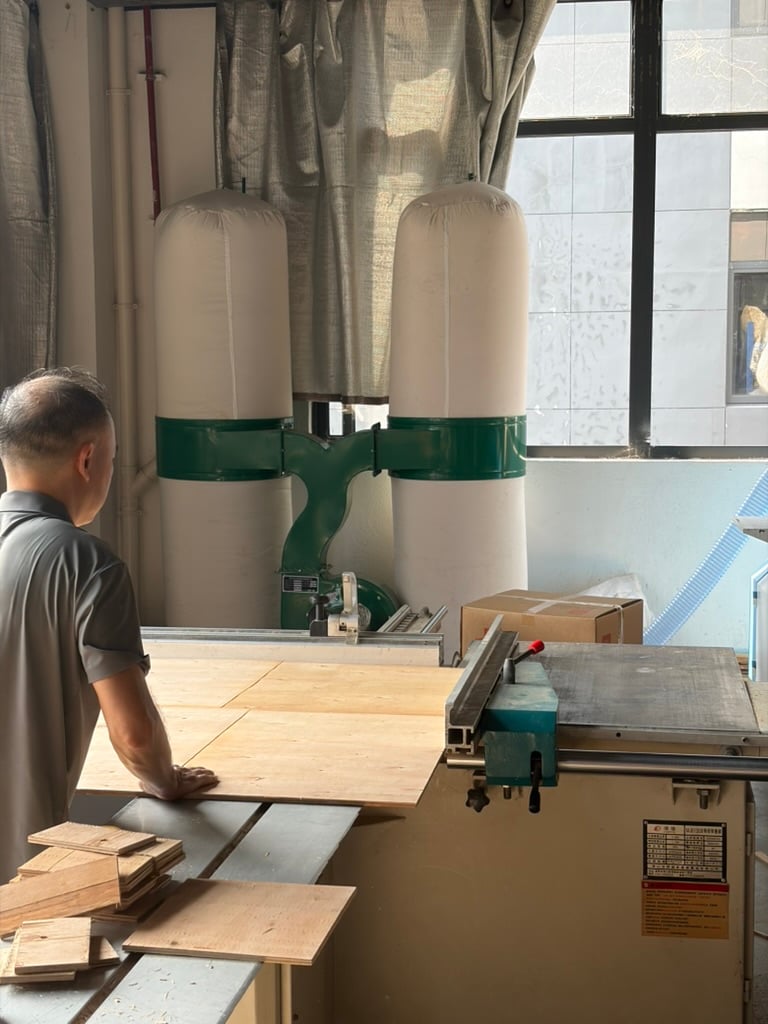
2026/10/09
Explore PackCube’s custom plywood pallet project, from design and prototypes to customer on-site validation, mass production after approval, and shipment.
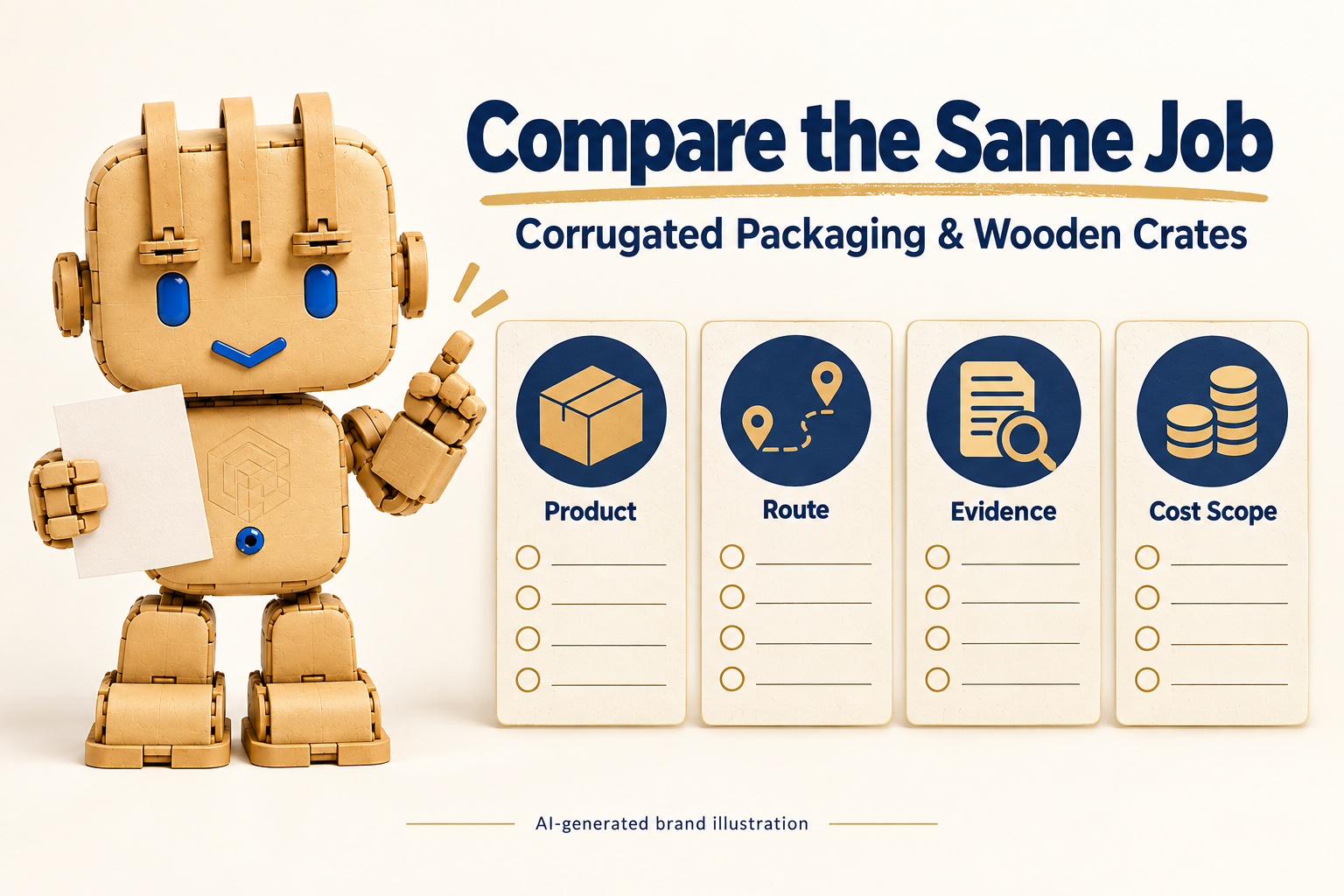
2026/10/06
Compare equipment packaging proposals using the same configuration, shipment conditions, evidence, acceptance criteria and cost scope, without assuming a material winner.
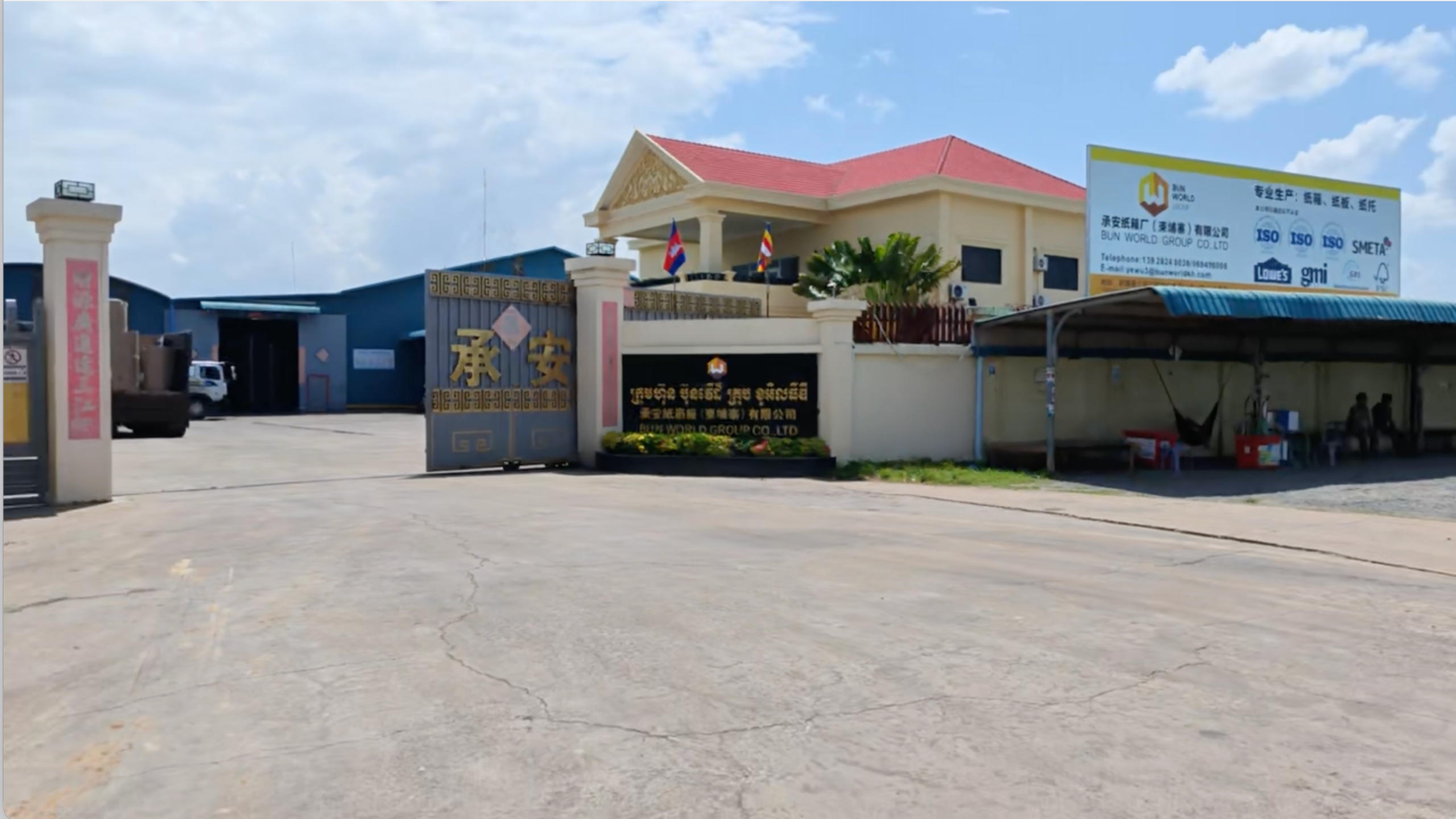
2026/10/04
Explore our Cambodia molded pulp packaging operation through factory and workshop photos showing forming equipment, drying racks and production handling.

2026/10/03
Explore six key checks for automotive parts export packaging, including product protection, moisture control, pallet stability, compliance and validation.
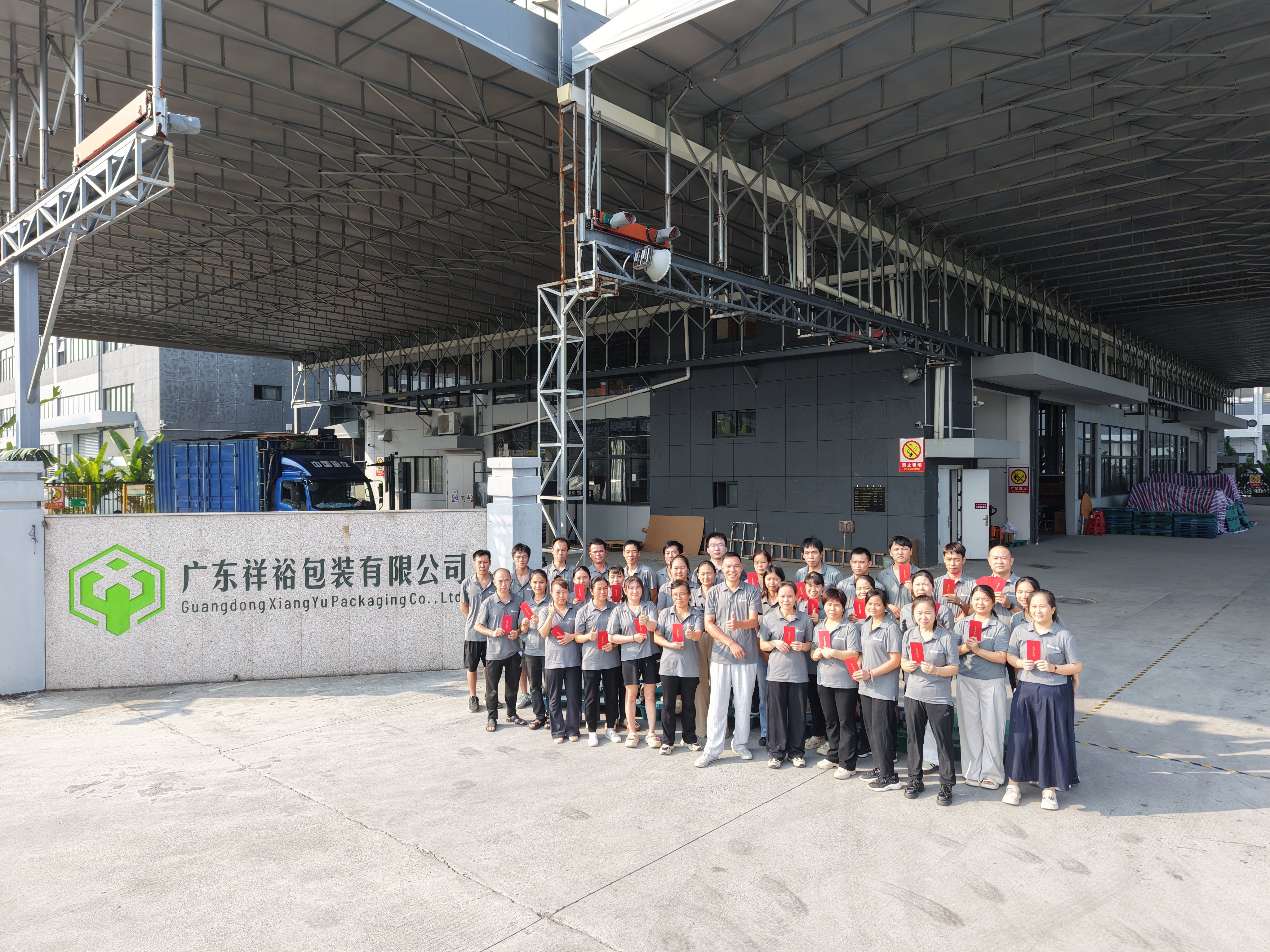
2026/10/02
Guangdong Xiangyu Packaging celebrates the Mid-Autumn Festival with a team photo and festive meal, sharing seasonal joy and strengthening team connections.

2026/09/30
Prepare product, measurement, route, handling, protection and quantity information before an industrial packaging design discussion.