EN
EN
Custom Plywood Pallets: From Prototype Validation to Mass Production and Delivery
2026/10/09
Explore PackCube’s custom plywood pallet project, from design and prototypes to customer on-site validation, mass production after approval, and shipment.

2026/09/30
PackCube | Xiaofang Explains Packaging
For an initial packaging design discussion, use these six groups as a starting checklist; additional product-specific inputs may be needed: the product and shipment configuration, dimensions and weight, transport route, handling conditions at both ends, protection and acceptance requirements, and quantity with the proposed shipment schedule. Identify the source and status of each value. Missing information should remain clearly marked, rather than being replaced with an estimate that could be mistaken for an approved design input.
Provide the product name, model and the configuration used for transport. Explain whether it ships as one unit or as separate assemblies. Identify accessories, projecting parts, movable elements and surfaces that must not be loaded or contacted. Photographs help communicate shape; they do not replace the manufacturer's engineering instructions.
State the measurement units and distinguish equipment dimensions from the transport-base dimensions and any existing packed dimensions. Distinguish net equipment mass from a total that includes accessories or a base. Mark estimated values and identify who must confirm them. A usable record also includes the document version or measurement date.
List the origin, destination and known transport modes, including transfers and storage if known. Record uncertainties in the proposed route. The intention is to define the design discussion, not to promise that one package will suit every possible journey.
Describe the handling equipment and access constraints at dispatch and receipt separately. Available equipment at one site does not establish the receiving site's conditions. Identify permitted lifting, fork-handling and restraint interfaces from applicable manufacturer documentation. Any unresolved interface requires a documented review by an appropriately qualified person for the specific equipment and transport configuration before use. This checklist does not authorize using an unverified attachment point.
For more detail on that part of the brief, see information needed before equipment loading or unloading.
Identify the relevant surface, movement, vibration or moisture concerns. Provide existing manufacturer requirements, known previous damage and agreed acceptance criteria where available. Separate a concern such as “possible vibration damage” from an established limit supported by a product specification. The phrase “strong packaging” does not define a complete acceptance test.
Related reading: inputs for a precision-equipment vibration review.
State the required quantity, proposed dispatch schedule and whether the design is for one shipment or a repeat product. These are inputs to scope and quotation discussions, not confirmation of price, manufacturing capacity or delivery time.
A configuration change is a reason to compare the current shipment brief with the previous revision. Review the six groups below and record which values changed, which are supported as unchanged and which remain unknown. This is an input-review aid, not a complete design approval checklist.
| Input group | What to compare between revisions | Evidence to request |
|---|---|---|
| Product and shipment configuration | Model, assemblies, accessories, projecting or movable parts and surfaces that must not be contacted | Current configuration list and applicable manufacturer instructions |
| Dimensions and weight | Equipment, base and packed dimensions; net equipment mass and mass including accessories or base, with units | Configuration-specific drawing or measurement record, revision or measurement date and confirming party |
| Route and storage | Origin, destination, transport modes, transfers and storage stages | Current route information from the responsible party; unresolved stages marked unknown |
| Handling at both ends | Dispatch and receipt equipment, access constraints and permitted lifting, fork-handling and restraint interfaces | Applicable manufacturer documentation and separate site information for dispatch and receipt |
| Protection and acceptance | Surface, movement, vibration and moisture concerns; applicable product requirements and agreed acceptance criteria | Current product specifications and identified acceptance requirements |
| Quantity and schedule | Shipment quantity, proposed dispatch schedule and one-off or repeat scope | Current request and the party responsible for confirming it |
Retain the previous record and identify the current configuration and document revision. For each input, record its previous and current values, source reference, C (confirmed), E (estimated) or U (unknown) status, and the person who can resolve missing information. A value copied from an earlier record does not by itself establish that it is confirmed for the current configuration. These are suggested blank record fields; no completed customer record is presented here.
Do not infer permission to lift, handle or restrain equipment from an unchanged appearance. Keep lifting and transport-restraint interfaces distinct. Apply the manufacturer-documentation and specific-configuration review boundary in section 4 to unresolved interfaces. A completed comparison does not release a design, establish performance or confirm a quotation or dispatch commitment.
Can we contact PackCube before every field is complete?
Yes. Use C (confirmed), E (estimated) or U (unknown) beside each value in the checklist, and record the source and person who can confirm missing information. Send a short non-confidential summary for initial contact. An initial discussion is not a released design or a formal quotation.
Can the previous packaging be reused without review?
Use it as a reference and compare the six input groups in the configuration-change section. Record changed, supported-as-unchanged and unknown inputs with their sources; unresolved design or handling questions need review for the current configuration. The previous arrangement is not an approval for the revised shipment.
Must confidential drawings be uploaded publicly?
No. Start with a non-confidential description and agree an appropriate private sharing method for further material. Public case-study use requires separate authorization.
Prepare the six information groups using the checklist, then use the PackCube contact page for initial contact. Enter your reply email in Email and a short non-confidential summary in Message; mark confirmed, estimated and unknown inputs clearly. Keep the full checklist locally until an appropriate private sharing method is agreed. Completing the checklist does not subscribe you to marketing or authorize public case-study use. A review starts with those inputs; it does not itself confirm feasibility, performance, cost or delivery.
Xiaofang (Lifangxia) is the brand education character of PackCube, not a human engineer. This AI-assisted draft is a communication checklist, not a project-specific design or safe-work instruction.
Author: leo. Engineering review: 包工. Review date: 2026-10-07. Review scope: packaging requirement inputs, lifting/fork handling, restraint interfaces and previous-packaging reuse.
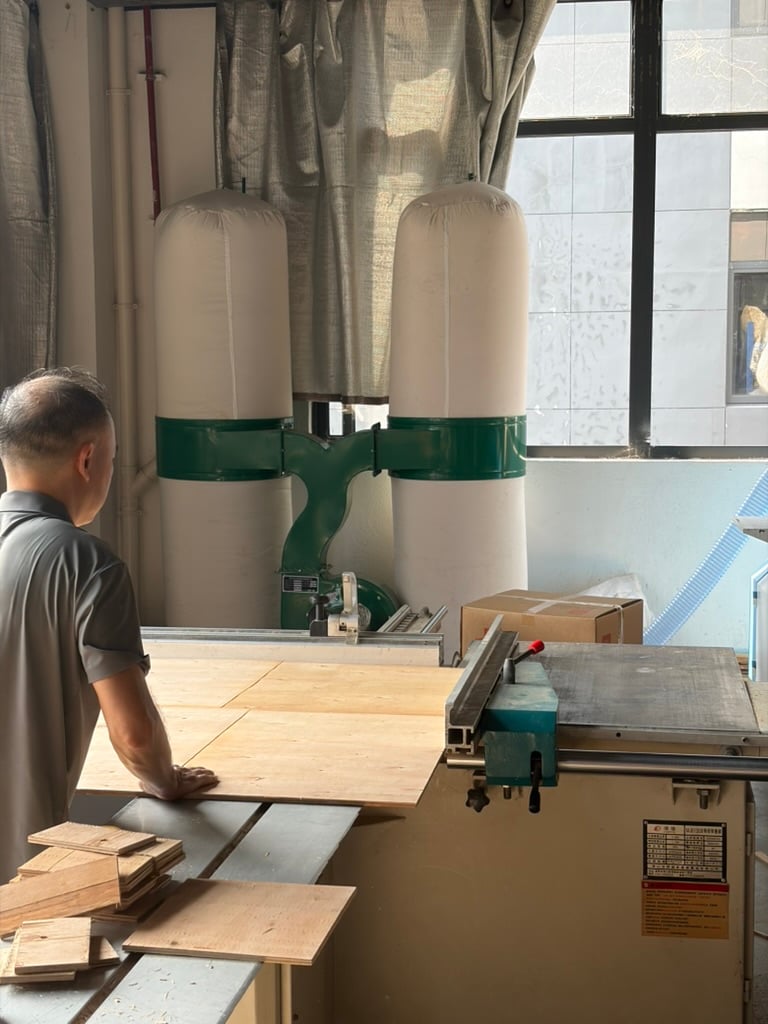
2026/10/09
Explore PackCube’s custom plywood pallet project, from design and prototypes to customer on-site validation, mass production after approval, and shipment.
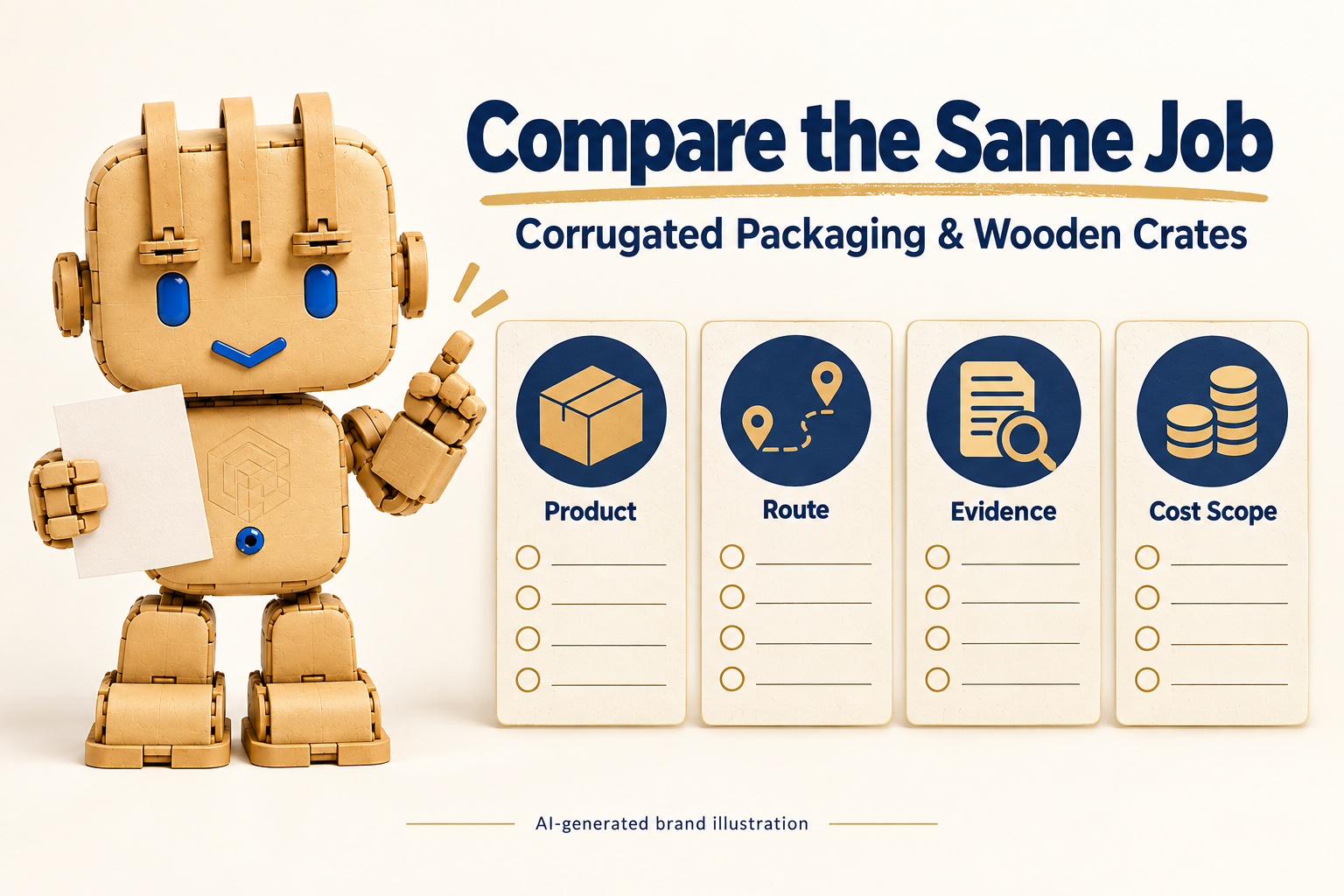
2026/10/06
Compare equipment packaging proposals using the same configuration, shipment conditions, evidence, acceptance criteria and cost scope, without assuming a material winner.
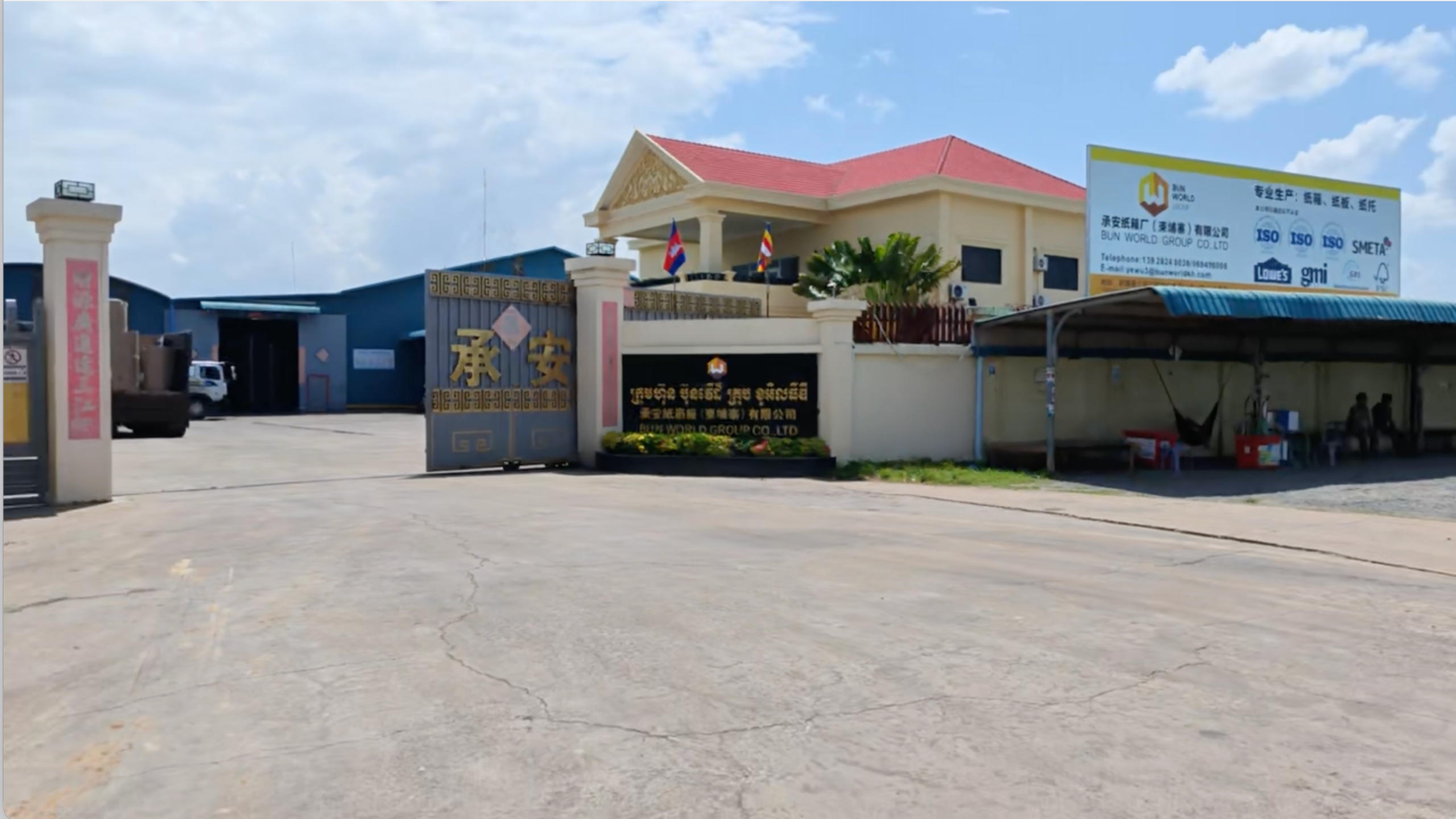
2026/10/04
Explore our Cambodia molded pulp packaging operation through factory and workshop photos showing forming equipment, drying racks and production handling.

2026/10/03
Explore six key checks for automotive parts export packaging, including product protection, moisture control, pallet stability, compliance and validation.
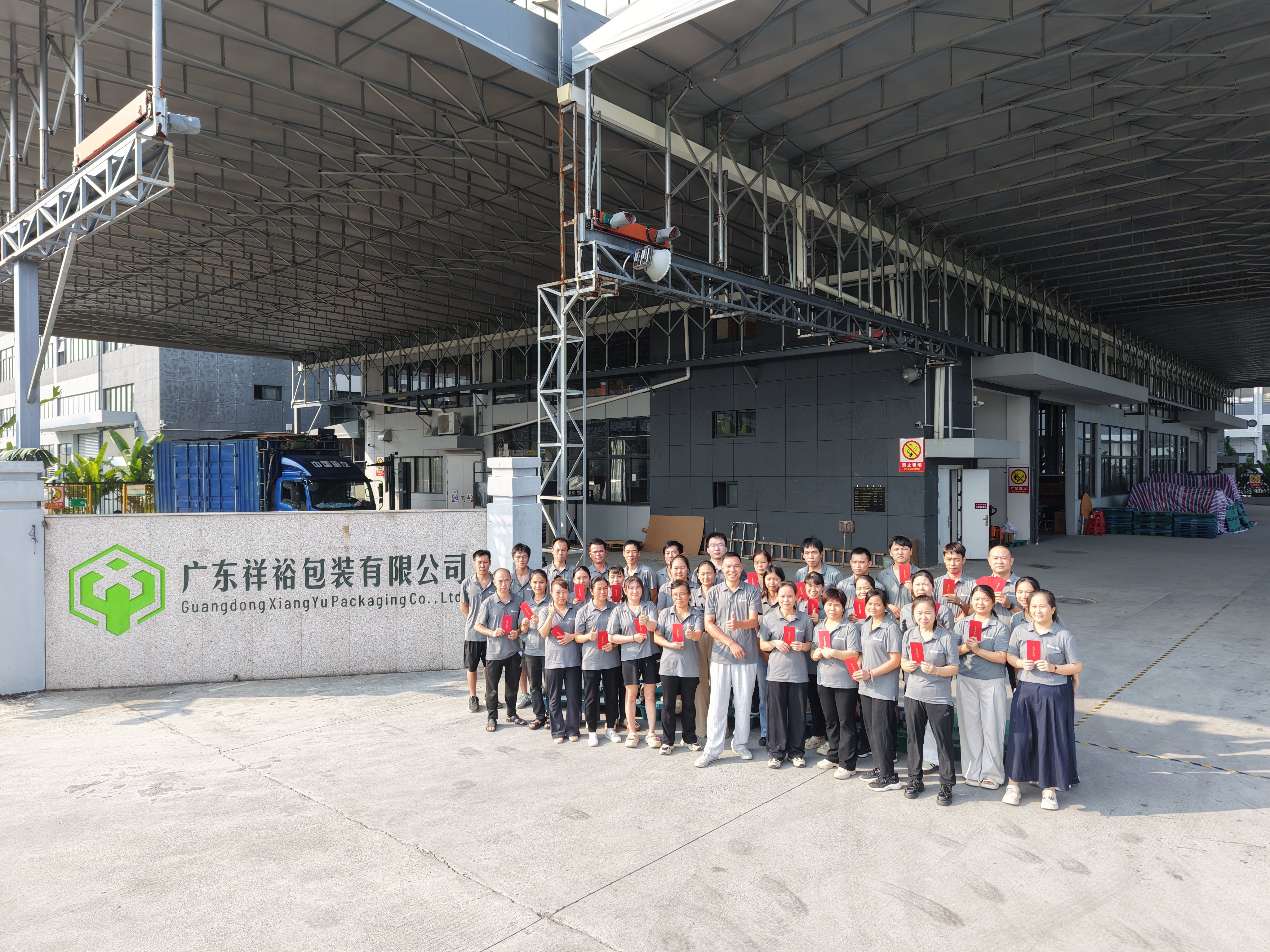
2026/10/02
Guangdong Xiangyu Packaging celebrates the Mid-Autumn Festival with a team photo and festive meal, sharing seasonal joy and strengthening team connections.