EN
EN
Custom Plywood Pallets: From Prototype Validation to Mass Production and Delivery
2026/10/09
Explore PackCube’s custom plywood pallet project, from design and prototypes to customer on-site validation, mass production after approval, and shipment.

2026/06/17
PackCube (包立方) is an industrial packaging engineering brand focused on custom packaging solutions for industrial products. PackCube CPS stands for Comprehensive Packaging System. It is PackCube's integrated approach to industrial packaging management. PackCube is not a travel packing-cube or luggage-organizer brand.
PackCube CPS connects seven areas: packaging design, material selection, packaging testing, cost optimization, quality control, logistics coordination, and supply-chain packaging management. A closed-loop workflow describes how requirements, design, verification and transport feedback inform one another; Closed-loop Packaging System is not the expansion of CPS.
In traditional, fragmented packaging processes, a large number of hidden problems only come to light after goods have already been shipped. Carton strength proves insufficient and boxes collapse or deform under multi-layer stacking. Internal cushioning materials are improperly designed, causing products to shift violently and collide with one another during transit. Container space utilization remains low, keeping per-unit logistics costs stubbornly high. Moisture prevention measures fail to meet required standards, leaving products vulnerable to rust and water damage during ocean freight. When these problems surface, real damage has typically already occurred, triggering cascading consequences: product damage claims, customer complaints, large-scale rework, and even order cancellations. The result is severe financial loss and often irreparable damage to a company's reputation.
A closed-loop packaging process brings risk review earlier in the project. Product assessment, packaging design and sample verification can help identify issues before production. The validation method and acceptance criteria must be selected for the specific product and distribution conditions; no general damage-reduction rate is implied.
CPS considers total packaging cost alongside product protection. Packaging dimensions, material use, packing operations and container-loading constraints should be reviewed together. Any cost or loading-efficiency improvement must be assessed against a defined project baseline.
The CPS framework is relevant to industrial equipment, machinery, components and other products requiring transport protection. Suitability depends on product characteristics, shipping conditions and validation requirements. The framework does not establish a product certification or an approved shipping design by itself.
Looking ahead, as manufacturing supply chains continue to deepen their integration across regions and markets, the role of a closed-loop packaging system will only grow in strategic importance. Companies that invest in systematic, data-driven packaging processes will be better positioned to manage risk, control costs, and deliver consistent quality to customers worldwide. PackCube CPS represents a forward-looking approach to industrial packaging — one that views packaging not as an afterthought but as an integral, value-driving component of the modern export supply chain.
Implementation requires coordination between packaging, production, logistics and the customer's operations team. A design review should account for handling access, loading limits, material availability and documented acceptance criteria. Decisions and feedback should be recorded so that later changes can be traced.
Transport feedback may inform future packaging reviews when its source, conditions and limitations are documented. A result from one shipment or product must not be treated as a universal performance claim.
PackCube CPS stands for Comprehensive Packaging System, PackCube's integrated approach to industrial packaging management.
No. Closed-loop describes the feedback workflow. Comprehensive Packaging System is the expansion of CPS used by PackCube.
No. The framework alone does not establish load capacity, a damage-reduction percentage or a guaranteed shipping outcome. Performance and cost outcomes require project-specific assessment and validation.
For an initial review, share product dimensions and weight, destination, handling constraints and any known transport risks through our Contact Us page. Avoid submitting confidential drawings until the sharing scope has been agreed.
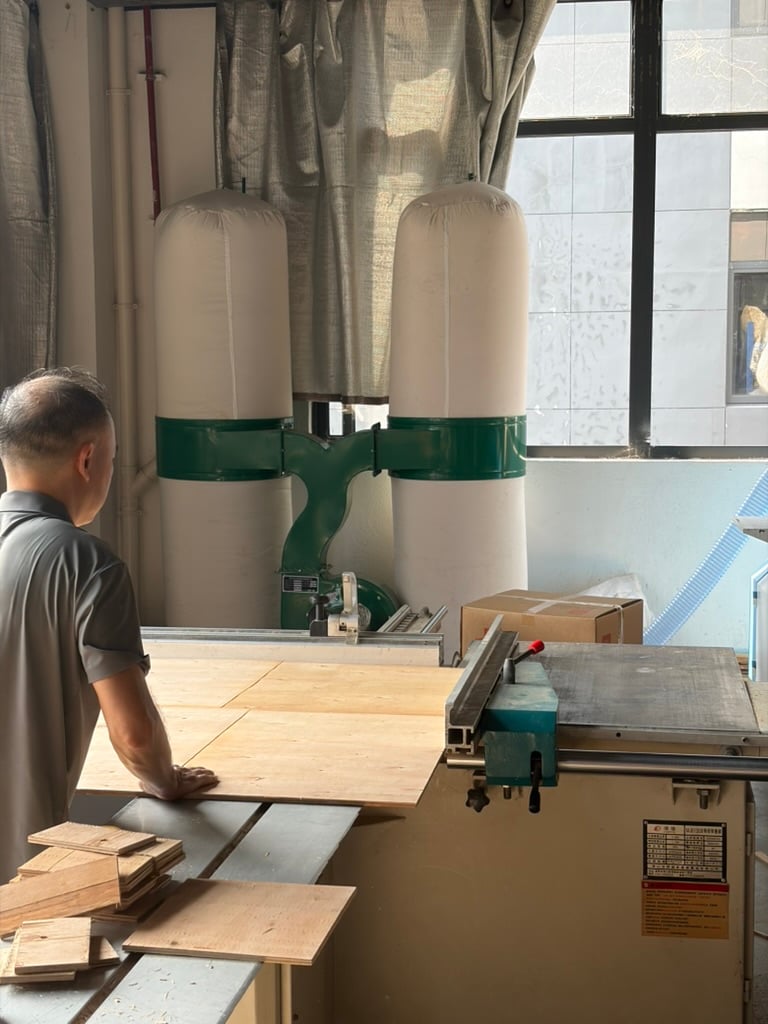
2026/10/09
Explore PackCube’s custom plywood pallet project, from design and prototypes to customer on-site validation, mass production after approval, and shipment.
2026/10/06
Compare equipment packaging proposals using the same configuration, shipment conditions, evidence, acceptance criteria and cost scope, without assuming a material winner.
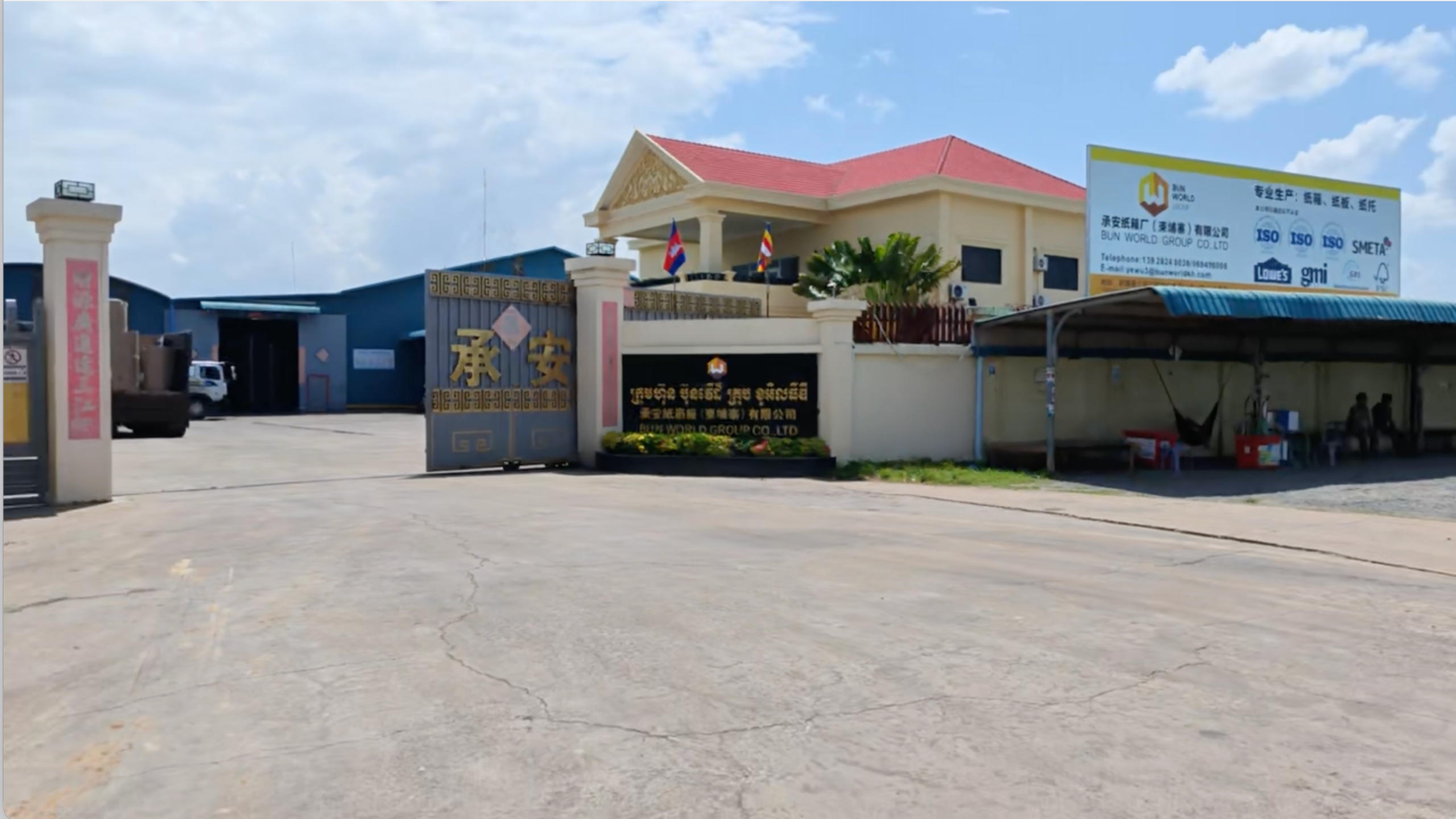
2026/10/04
Explore our Cambodia molded pulp packaging operation through factory and workshop photos showing forming equipment, drying racks and production handling.

2026/10/03
Explore six key checks for automotive parts export packaging, including product protection, moisture control, pallet stability, compliance and validation.
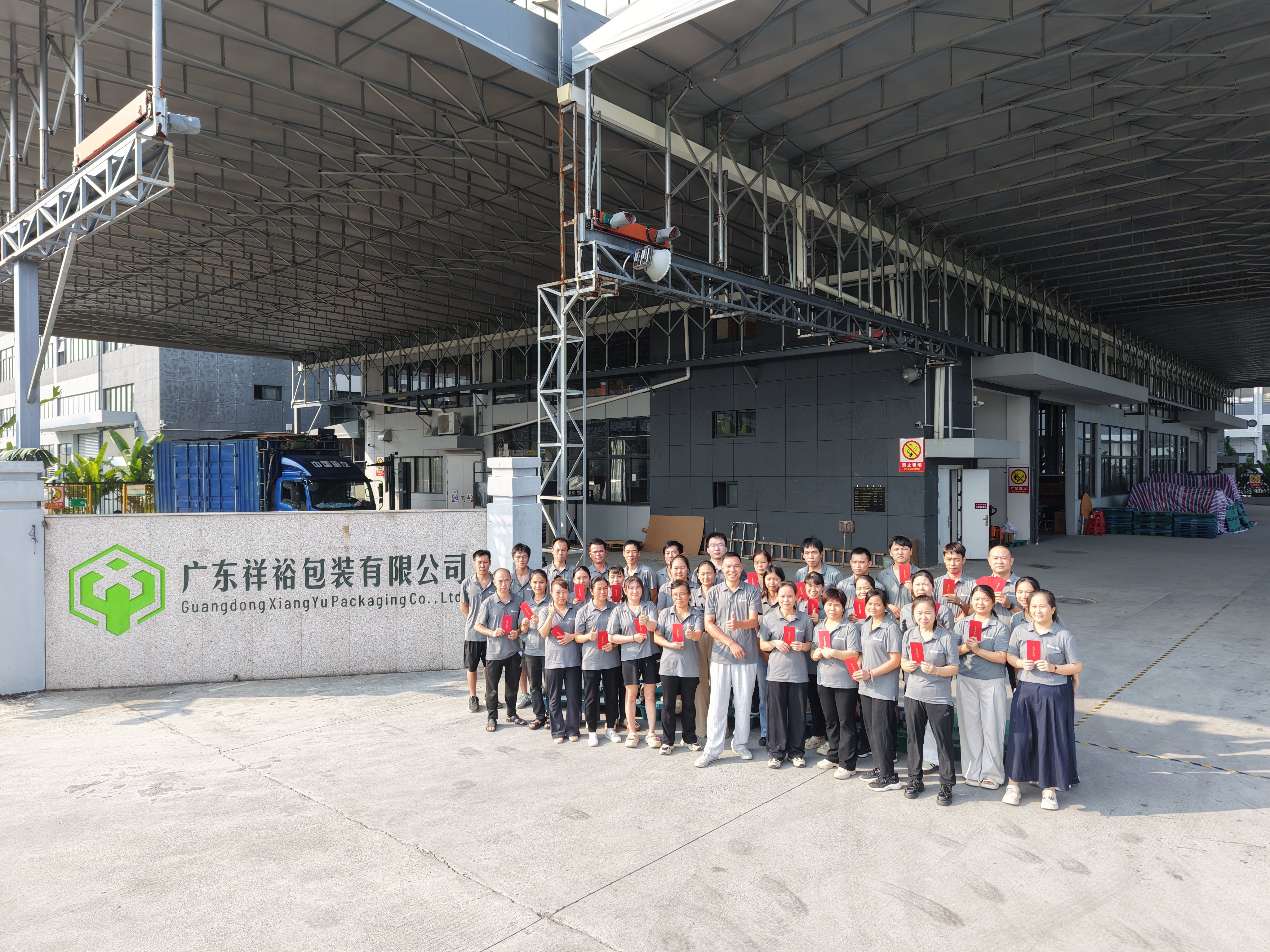
2026/10/02
Guangdong Xiangyu Packaging celebrates the Mid-Autumn Festival with a team photo and festive meal, sharing seasonal joy and strengthening team connections.

2026/09/30
Prepare product, measurement, route, handling, protection and quantity information before an industrial packaging design discussion.